24-Inch Rotating Laptop Desk Stability for Typing & Writing
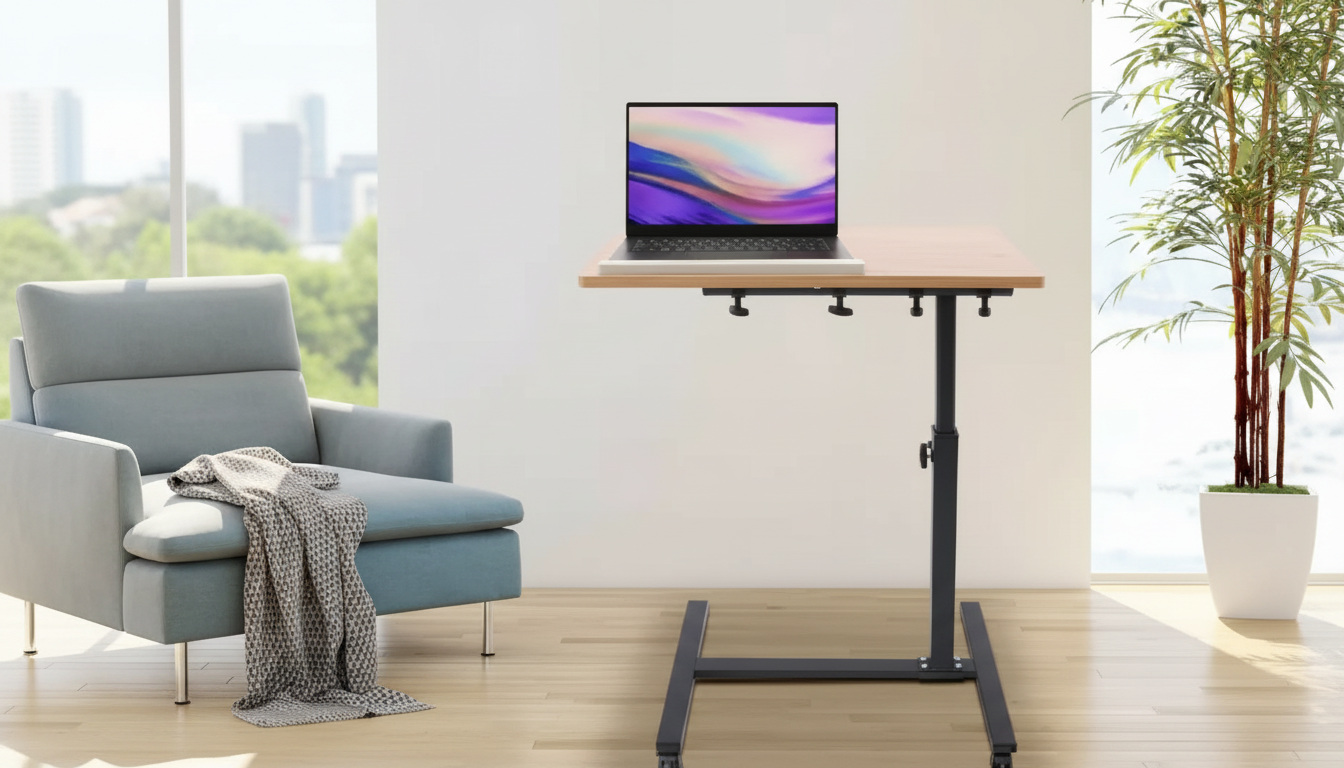
How stable is a 24 inch laptop desk with a 360° rotating top when typing or writing?
A 24 inch laptop desk with a 360° rotating top can feel very stable for everyday typing and writing, as long as the base is solid, the surface locks or tightens securely, and you’re using it on an even floor. The rotating feature itself isn’t automatically “wobbly”—most of the stability comes from the desk’s center of gravity and how firmly the rotation joint is built and adjusted.
For typing, stability is usually strongest when the laptop is centered on the top and your forearms aren’t leaning heavily on one edge. If the rotating top has a tightening knob or tension ring, keeping it snug reduces micro-movements that can feel like wobble while you type quickly. A wider, heavier base (or a base with feet that grip the floor) also helps prevent side-to-side sway.
For writing, the biggest factor is downward pressure. Pressing hard with a pen near the far corner of a rotating top can introduce a slight twist if the swivel joint is loose. A quick adjustment—tightening the swivel mechanism and keeping your notebook closer to the center—usually makes writing feel more like a traditional table. If the desk includes a phone stand or accessory slots, keeping heavier items low and centered further improves the “planted” feel.
Height and posture matter, too. When the desk is set too high, people tend to push against it more, which can exaggerate movement. Setting it so your elbows are near a relaxed 90-degree angle often makes the desk feel steadier because you’re not bracing your weight on the surface.
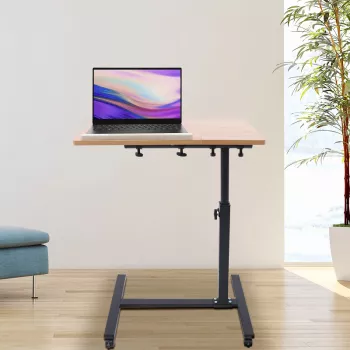
For a deeper look at what to expect from a 24 inch adjustable model, including rotation and setup tips, visit the full guide here: 24 inch adjustable laptop desk with rotating top and phone stand.
FAQ
What should I look for to reduce wobble on a rotating laptop desk?
Prioritize a heavier or wider base, non-slip feet, and a rotating top with an adjustable tension/locking mechanism. Keeping your laptop and writing materials centered and avoiding heavy leaning on the edges also makes a noticeable difference.








Leave a comment